|
|
|
|
|
|






Parotid (Salivary Gland) Cancer (go here for minor salivary gland cancer)
The parotid gland is the most common site of major salivary gland tumors,
and the palate the most common site of minor salivary gland tumors. Approximately 20% to
25% of parotid tumors, 35% to 40% of submandibular tumors, 50% of palate tumors, and 95%
to 100% of sublingual gland tumors are malignant.
For basic information about parotid gland cancer go
here. For stages go
here. For a discussion of the different
types of parotid cancer
see
histology types.
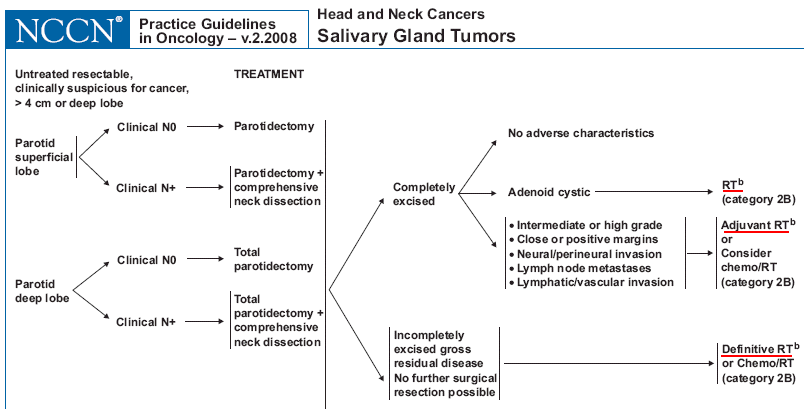
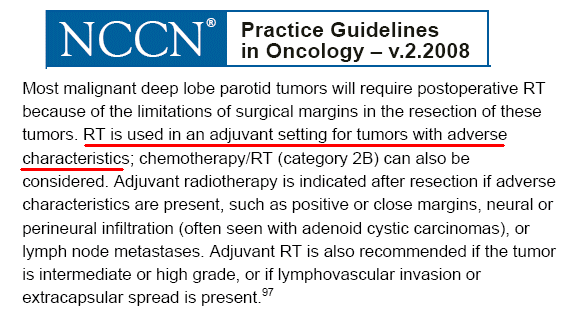
The most current treatment information is found on the
NCCN treatment site
here
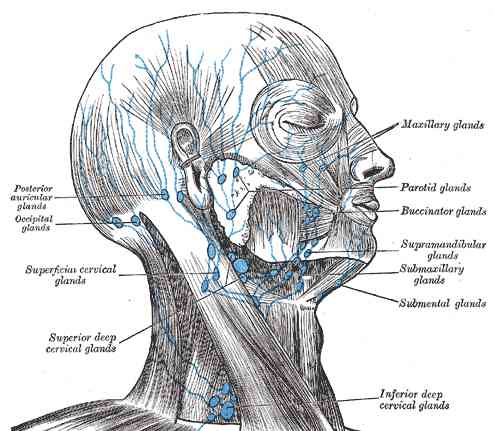
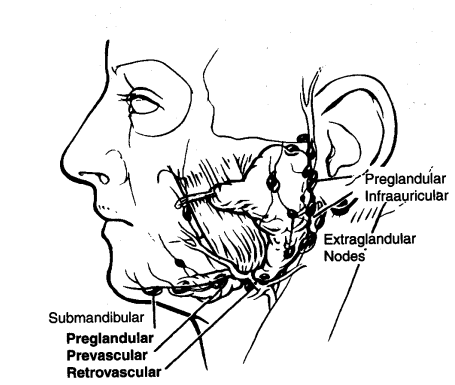
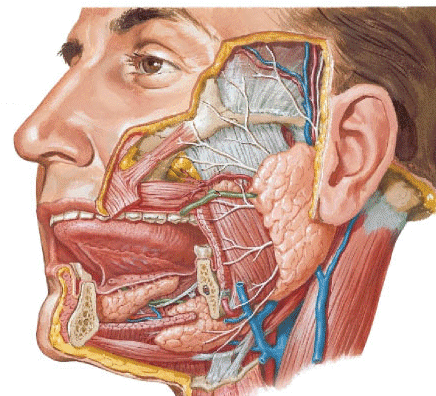
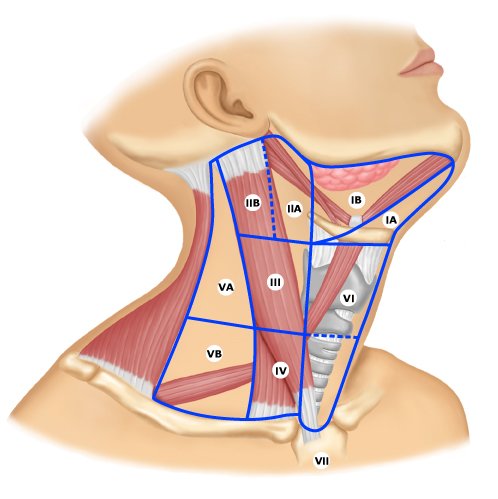
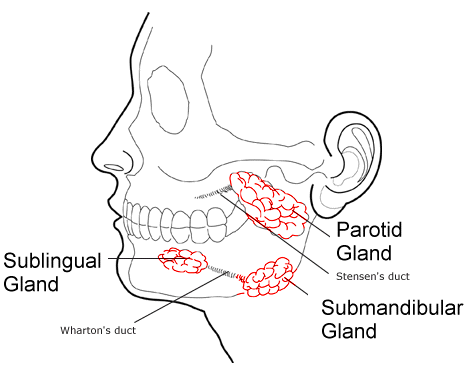
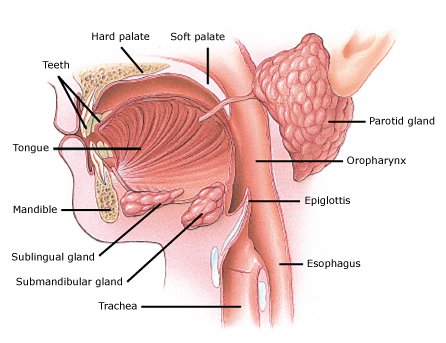
Anatomy.
See more detailed picture of the
parotid and nodes,
salivary gland nodes,
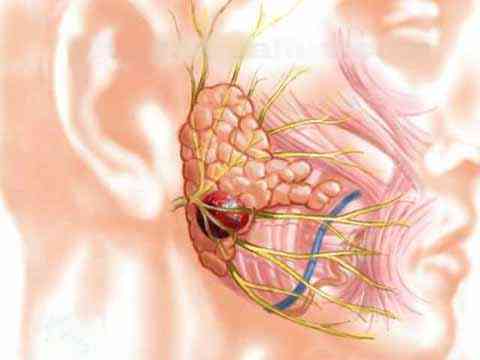
parotid and
facial nerve , more
anatomy#1
, anatomy#2,
anatomy#3,
anatomy#4,
anatomy #5,
anatomy #6,
anatomy #7,
anatomy #8,
anatomy #9,
anatomy #10,
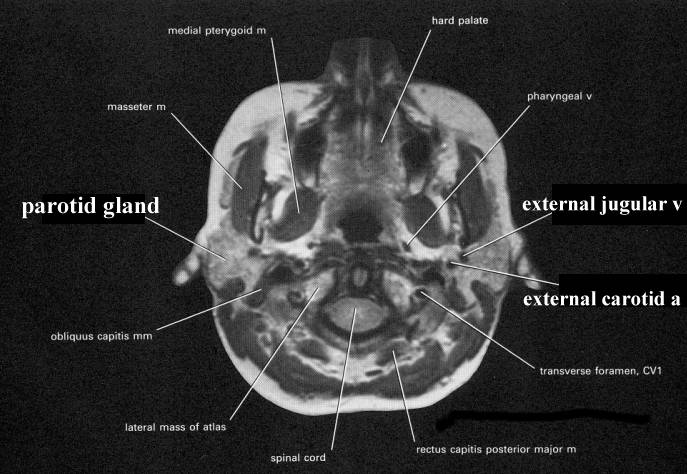
CT anatomy,
CT anatomy,
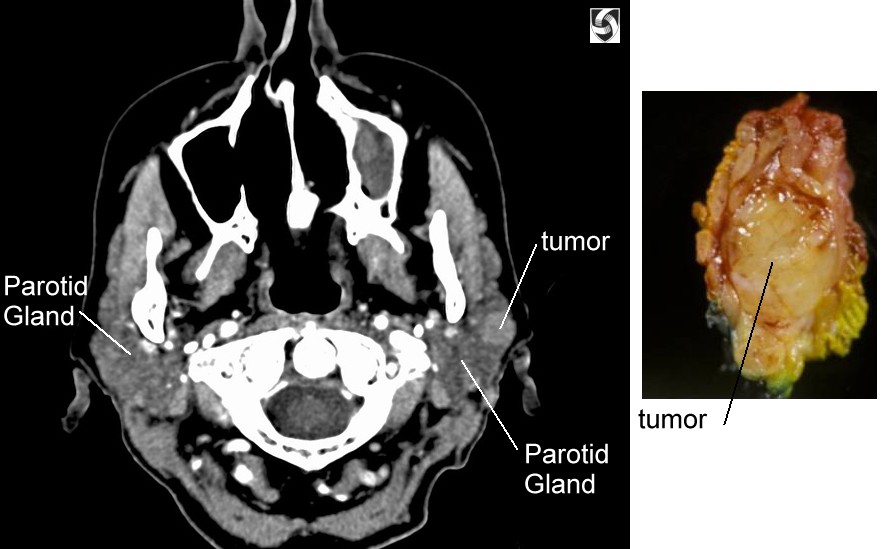
parotid tumor,
here and
here, see data
on the incidence of spread to
nodes.